

Many adults in America face challenges related to weight. Millions of people are overweight and want to find a routine to help them change their lifestyle and maintain a healthy weight. Fluctuating weight is rarely caused by a single factor, but is rather a combination of diet, physical activity, brain chemistry, genetics, and hormones. Imbalanced hormones can cause more problems than we first realize, especially if you have other chronic health conditions.
Understanding how hormones affect weight and which hormones you should be regulating will help you customize your lifestyle and weight loss plan to your specific needs. Our team at Regeneration Health can work to determine the root cause of your issue and propose a unique treatment plan based on your life and current symptoms. Learn more about hormones and their connection to weight in this blog.
Hormones That Impact Weight
There are several hormones that help to regulate systems in the body. Many of these can impact your weight because they are used to help signal to the body that you are full, have the nutrients you need, or have enough sugar entering your bloodstream.
Leptin
Leptin is produced in body fat and tells the brain how much body fat is present in the body. When your body fat goes up, leptin also increases to help reduce your appetite and promote more energy expenditure. Leptin resistance is a common problem people with weight gain experience, where your leptin is high but is not triggering fat loss as it should.
Amylin
This hormone is produced in the pancreas and helps to decrease your food intake. It is often used in the treatment of diabetes to lower blood sugar or help improve leptin levels. While those with diabetes benefit from amylin injections or replacement, it can play a role in weight loss management.
Ghrelin
Produced in the stomach, chrelin is a hunger hormone that is essential for survival. This hormone helps to signal us when our nutrients are low and we need to fuel our bodies. When people skip meals, they increase their ghrelin levels, causing overeating at the next meal. The best things to suppress ghrelin are carbohydrates, while protein is also effective.
Glucagon-Like Peptide
GLP-1 is a nutrient-sensing fullness hormone that is produced in the intestine. It makes one feel full and helps manage sugar levels to keep weight low. Our sugar level rises after eating, so GLP1 helps to bring it down. Ghrelin and GLP1 go hand in hand, so when one is out of balance, the one is not far behind. If your ghrelin is high, your GLP1 levels will be lowered, leading to overeating and obesity. This is one of the biggest hormones used in weight loss injections and supplements because it is one of the most helpful hormones in signaling to the brain that you are full.
Insulin
Insulin regulates your blood sugar levels through the pancreas. It delivers sugar to all of your organs and can also help with hunger and fullness. Those with high insulin may experience severe weight fluctuations, weight gain, and loss.
Cortisol
The stress hormone, cortisol, is produced by the adrenal glands, which also produce adrenaline. When you have chronic stress, your cortisol levels could increase your appetite and lead to weight gain, specifically in your abdomen.
The Connection Between Weight And Hormones
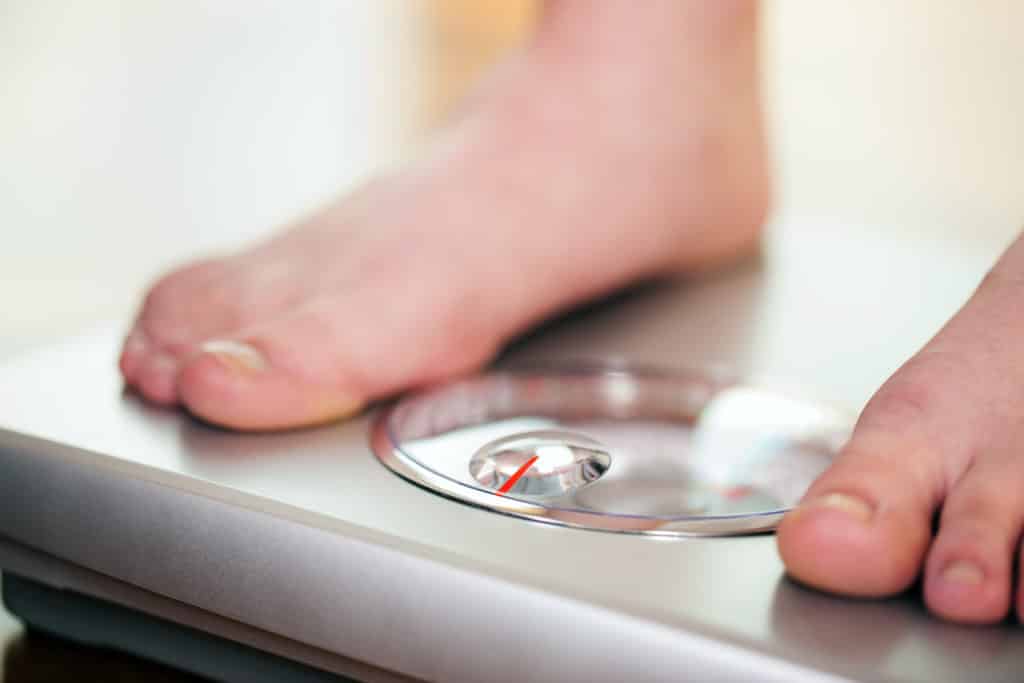
Regulating your body fat is a complex process that involves more than just your digestive system and exercise. Hormone imbalances can cause your body to store fat because it feels it is in survival mode, or make losing weight more difficult. If you have imbalanced hormones, all the diets and workouts in the world won’t help fix your problems. Seeking hormone replacement will help you improve sleep, physical activity, and break down sugar or carbs.
Signs Of Hormonal Weight Gain
Some things you may notice if you are experiencing weight gain because of a hormone imbalance include:
- Thyroid goiter
- Fatigue
- Acne
- Headache
- Visual disturbances
- Poximal muscle weakness
- Central obesity (increase in abdominal and visceral fat)
- Irregular or lack of menstrual periods
- Galactorrhea (lactation without pregnancy)
Lifestyle Choices That Can Balance Hormones
For those who want to avoid medication or weight loss drugs, there are lifestyle changes that can help rebalance your hormone levels. Eating small, well-balanced meals that include fruits, vegetables, lean proteins, and healthy fats will help your body get the nutrients you need without feeling like you are overeating.
Controlling your stress levels can also help you lower your cortisol and prevent unnecessary gain. Try meditation, yoga, or attend therapy to help manage stressors and develop coping skills.
Adults should also establish a healthy sleep routine and make sure to get 8 hours of quality sleep. Sleep increases your leptin levels and reduces cortisol, making your weight loss efforts more effective.
Hormone Help From Regeneration Health
Regeneration Health offers medical weight loss services for men and women. We can help you find the best medication, make lifestyle changes, look for food sensitivities, and work on hormone imbalances. Schedule a consultation with our team to improve your daily life.